The Ultimate Guide to User-Oriented Web Design: Boost Conversions and Engagement
User-focused web design is essential in the modern digital environment. It centers on identifying user requirements and behaviors. This approach influences every aspect of a site, from navigation to content. By prioritizing mobile optimization and employing analytics, designers can enhance user experiences. The impact of these methods reaches far beyond basic functionality. They can greatly impact engagement and conversion rates. What methods yield the greatest results in accomplishing these objectives? Examining this inquiry uncovers valuable findings to light.
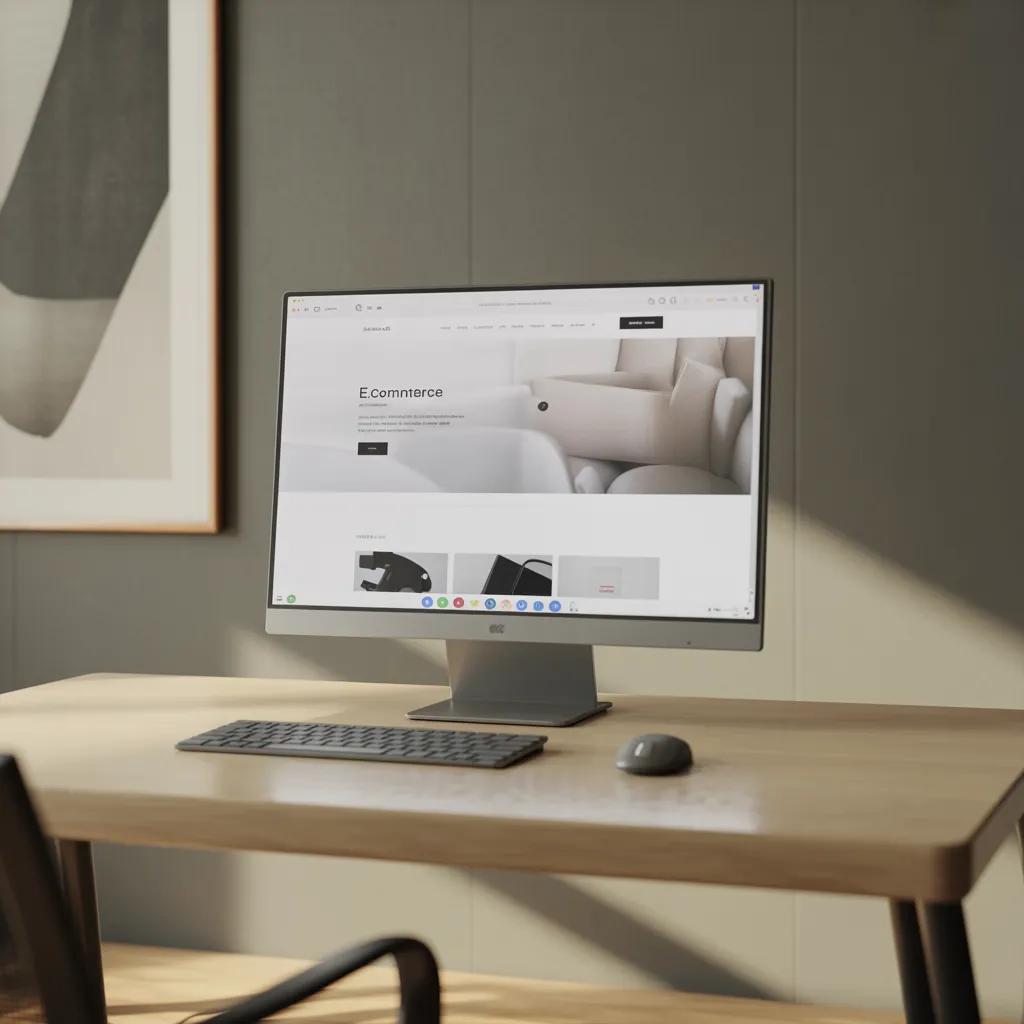
Recognizing User Needs to Achieve Effective Web Design
How can designers truly understand the needs of their users? In order to develop effective web designs, they need to conduct comprehensive research and analysis. This requires utilizing a range of techniques including user interviews, surveys, and usability testing. By compiling both qualitative and quantitative data, designers can uncover pain points, preferences, and behaviors of their intended audience.
Studying audience personas aids in visualizing different user types and their specific requirements. Furthermore, studying rival platforms can provide insights into professional benchmarks and standards. Designers should additionally monitor audience behavior with existing platforms to pinpoint areas for improvement.
Integrating user feedback across the design process is essential for refining solutions. By prioritizing user requirements, designers can create websites that not only draw in visitors but also foster engagement and satisfaction. At its core, a deep grasp of user requirements sets the stage for effective, user-focused web design.
How User Requirements Define Intuitive Navigation and Layout
User needs considerably influence the design of intuitive navigation and layout in web design. Understanding these needs guarantees that users can easily locate information, supporting an uninterrupted and seamless browsing experience. Effective navigation is structured around users' mental models, which define how they expect to navigate and use a website. This alignment not only enhances usability but also reduces frustration, consequently resulting in greater engagement rates.
Designs must emphasize readability and usability, adopting recognizable design frameworks that resonate with users. Components like navigation menus, interactive buttons, and action prompts ought to be thoughtfully positioned according to user habits and expectations. Via carrying out user studies and accessibility assessments, developers can pinpoint challenges and user expectations, enabling them to craft designs that accommodate distinct user pathways. In the end, a people-focused strategy toward navigation and structure cultivates a more seamless experience, that proves critical for keeping users engaged and boosting conversion rates.
Crafting Engaging Content That Satisfies User Expectations
Crafting engaging content necessitates a comprehensive understanding of audience expectations and preferences. To efficiently capture the reader's attention, content developers must analyze user behavior, interests, and pain points. This knowledge empowers them to develop messages that appeal to the target demographic, improving relevance and appeal.
Utilizing simple, direct phrasing and powerful visual elements can significantly enhance user involvement. Furthermore, applying storytelling techniques serves to establish meaningful bonds, ensuring the message stays with the audience. It is critical to maintain a uniform style that reflects the brand character while addressing user needs.
Moreover, adding engaging features, like polls or quizzes, promotes user engagement. Updating content on a regular basis confirms it continues to be timely and engaging, satisfying the changing needs of visitors. When focusing on relevance and quality, businesses can cultivate trust and loyalty, thereby generating greater user engagement and conversion rates.
User-Centric Mobile Optimization for Accessibility and Usability
Which aspects are essential for effective mobile optimization that prioritizes accessibility and usability? To begin, responsive design guarantees websites adapt seamlessly to various screen sizes, enhancing user experience. Additionally, seamless navigation is essential; simple menus and easily clickable buttons enable effortless user engagement. Focusing on quick load times is necessary, as users on mobile devices demand immediate access to content.
In addition, implementing accessibility features, such as speech-enabled features and customizable font sizes, serves users with disabilities, reaching a wider audience. Utilizing high-contrast color schemes and clear and readable fonts boosts legibility, particularly in outdoor environments.
Incorporating user-friendly design elements minimizes frustration, permitting users to connect naturally with content. Additionally, performing testing across different devices and platforms ensures a uniform user experience. By prioritizing these elements, companies can create mobile experiences that not only meet user needs but also improve overall engagement and conversion rates.
Methods to Track User Engagement and Conversion Success
Proper mobile optimization establishes the groundwork for assessing user engagement and conversion performance. A range of tools allow web designers and marketers to examine user behavior and monitor key metrics. Google Analytics continues to be a fundamental resource, providing data on user demographics, session duration, and bounce rates, assisting in pinpointing areas that need improvement. Heatmap solutions such as Hotjar and Crazy Egg provide visual representations of user interactions, enabling designers to observe where users click, scroll, and exit.
A/B testing solutions, such as Optimizely and VWO, facilitate experimentation with multiple design variations to establish which options deliver improved conversion outcomes. Furthermore, user insight platforms like SurveyMonkey and Typeform obtain qualitative information directly from customers, providing meaningful perspectives on their interactions. By utilizing these resources, businesses can develop a stronger user-focused experience that not only boosts engagement but also drives conversion rates, ultimately leading to enhanced business performance.
Popular Questions We Receive
What Are the Best Ways to Collect User Feedback?
To obtain user feedback successfully, one should utilize surveys, interviews, and usability testing. Examining data using analytics tools and fostering open dialogue fosters a deeper understanding of user needs and preferences, ultimately improving product development.
What Are the Most Frequent Errors in User-Centric Design?
Frequent errors in user-centric design include overlooking user research, overcomplicating navigation, failing to address accessibility, neglecting mobile optimization, and ignoring feedback-driven iteration. Such mistakes can negatively impact user experience and decrease engagement.
How Often Should I Update My Website Design?
A web design should be redesigned every 1-3 years, mandarin palace casino depending on technological advancements, industry trends, and user feedback. Frequent updates guarantee continued relevance, elevate overall user experience, and preserve engagement with the target audience.
What Impact Does Color Psychology Have on Design?
The psychology of color greatly influences design by triggering emotional responses and influencing how things are perceived. Creative experts employ color to enhance user experience, direct user behavior, and create a recognizable brand presence, consequently influencing interaction and conversion metrics across various digital platforms.
How Do I Achieve a Balance Between Aesthetics and Functionality
Balancing aesthetics and functionality necessitates a thorough understanding of user experience. Designers ought to focus on intuitive navigation and accessibility while weaving in visually compelling elements, guaranteeing that aesthetic quality supports usability rather than detracting from the overall effectiveness of the design.